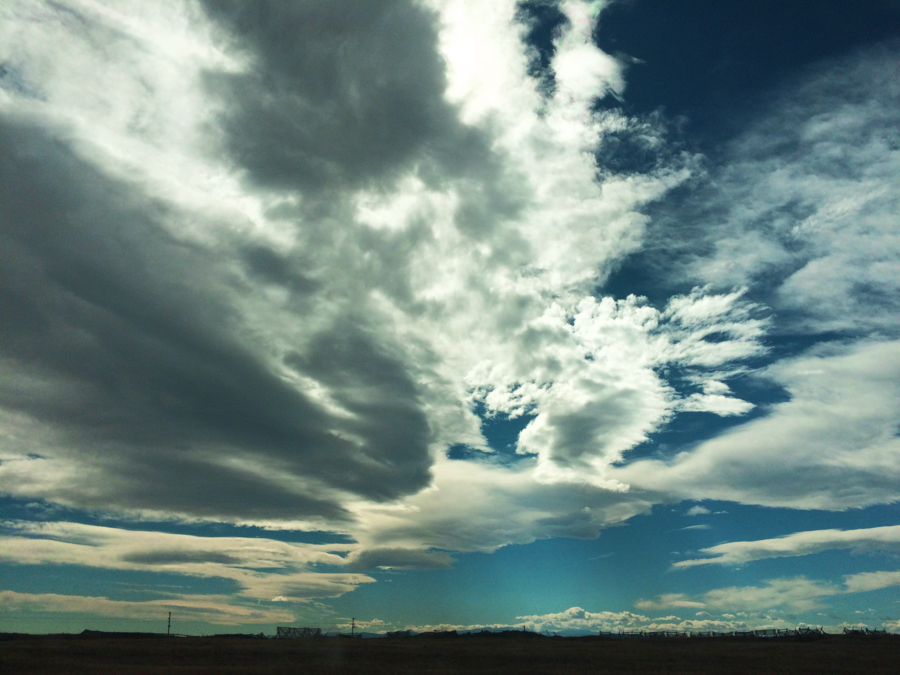
Fall 2023 Best of Web – Haotian Chen
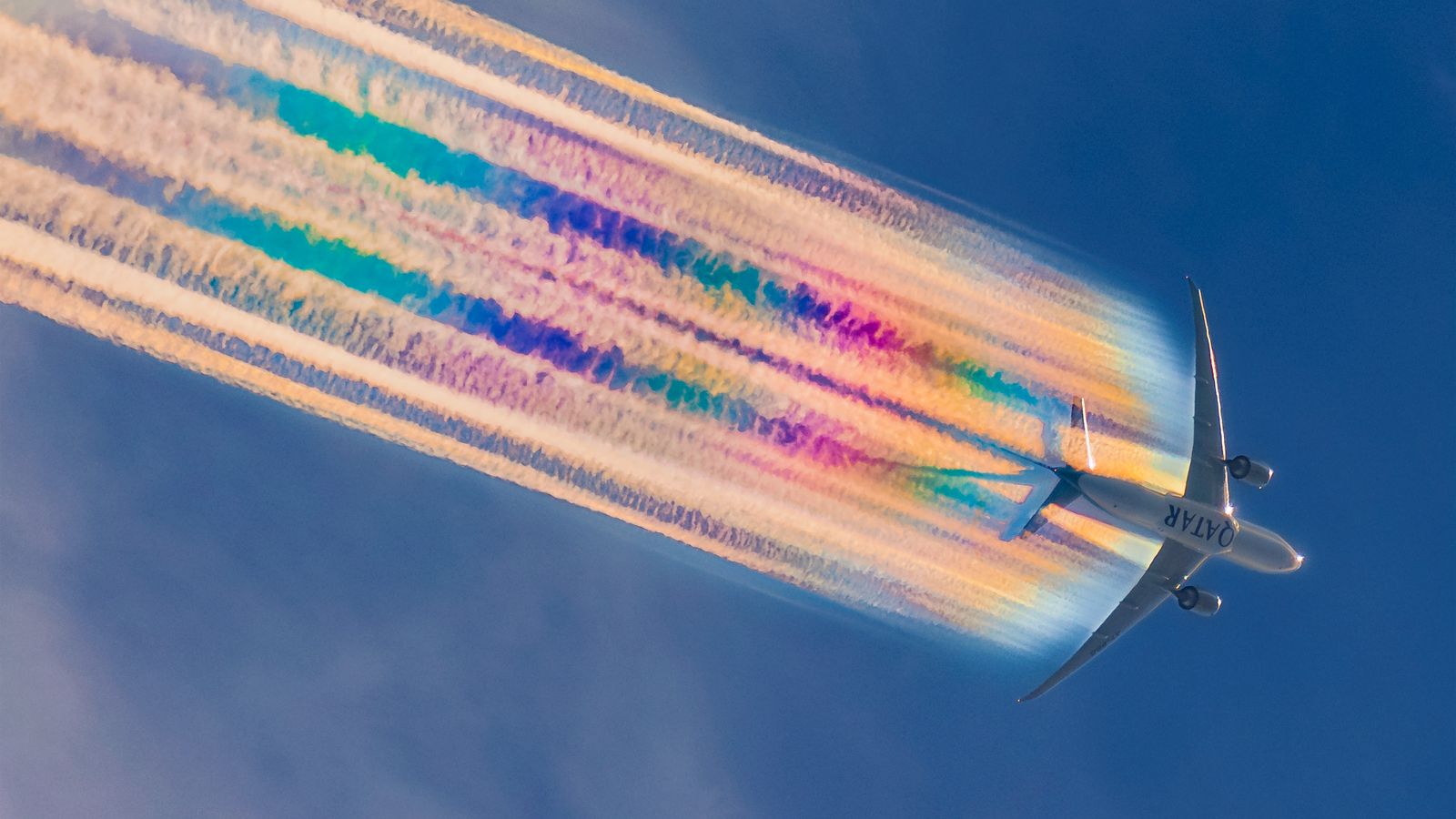
Michael Marston is a photographer living in Brisbane, Australia, and has taken many amazing aerial photographs. In this photo, he captured the spectacular rainbow contrail from a Qatar Airways Boeing 777.
First, let’s analyze this picture scientifically: the engine exhaust of an aircraft contains a lot of water vapor and also some fuel impurities. Due to the low temperature at high altitudes, water vapor condenses/freezes on impurity particles to form tiny water droplets/ice particles, thus forming contrails that are noticeable to our eyes. If the sunlight is at a proper angle to an airplane’s contrails, the sunlight will be properly refracted in the water droplets/ice particles in contrails, forming a rainbow. Perfect conditions are quite rare, and photographers need great insight and great patience to take these kinds of photographs.
Then, let’s examine this image artistically: There’s no doubt how beautiful rainbows are! It contains all the colors in visible light and brings a wonderful visual experience to people. The combination of this artificial rainbow and the pattern of the contrails produces a unique aesthetic that differs from naturally occurring rainbows. The elegant lines of the white airplane also contribute to this image combining the beauty of nature with the beauty of technology. Considering that this kind of art comes from the accumulation of various coincidences, this makes this photo more precious.
In summary, I think this photo is a good choice for Best of Web.
Original Facebook publishing of Michael Marston
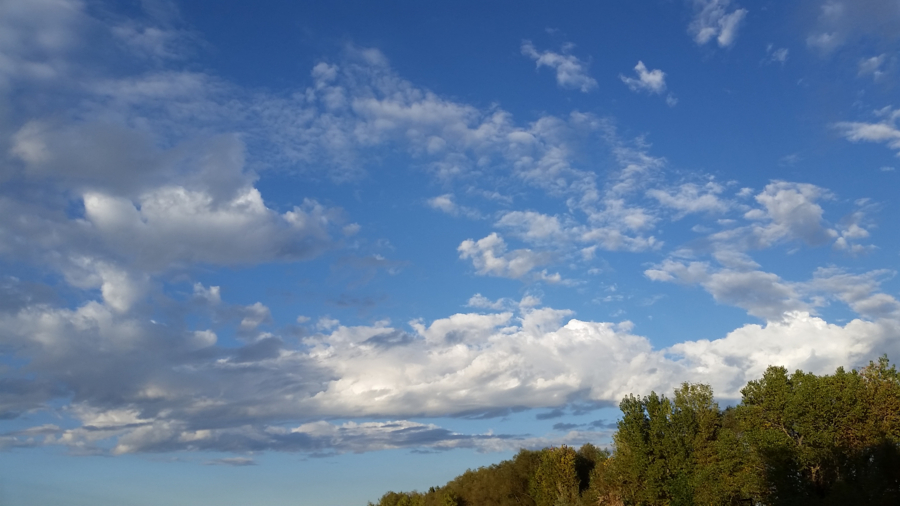
Just a photo of a similar phenomenon I took myself:
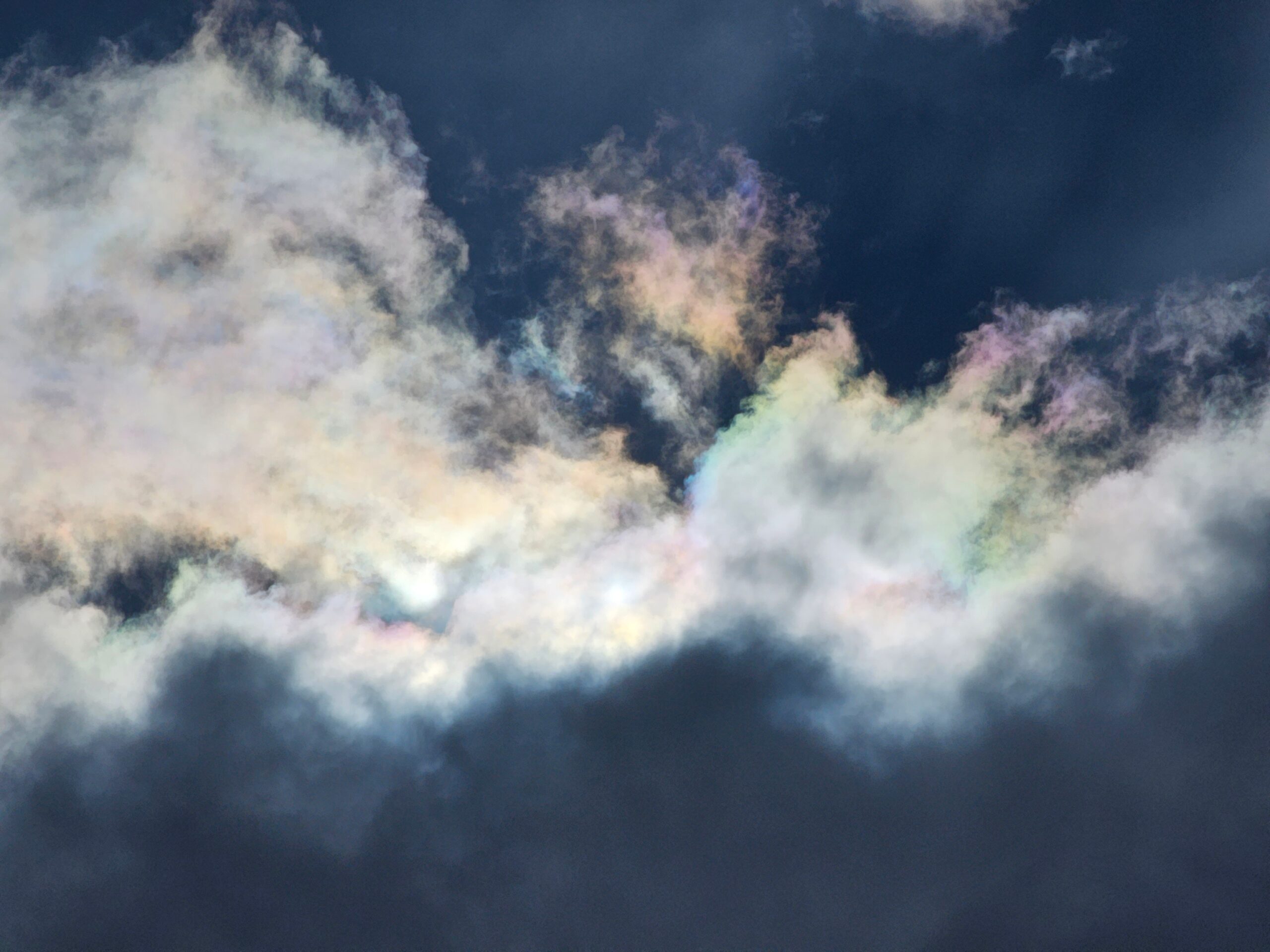
I captured a naturally occurring rainbow cloud during the Spring break of Spring 2023. And I took it at Lake Loch in the Rocky Mountain National Park with my Samsung S23 Ultra. Unfortunately, it wasn’t taken during this semester, otherwise, it would be a good photo for the Cloud assignment.